
RTA Vehicle Inspection in Dubai: What Is Checked and Why Cars Fail
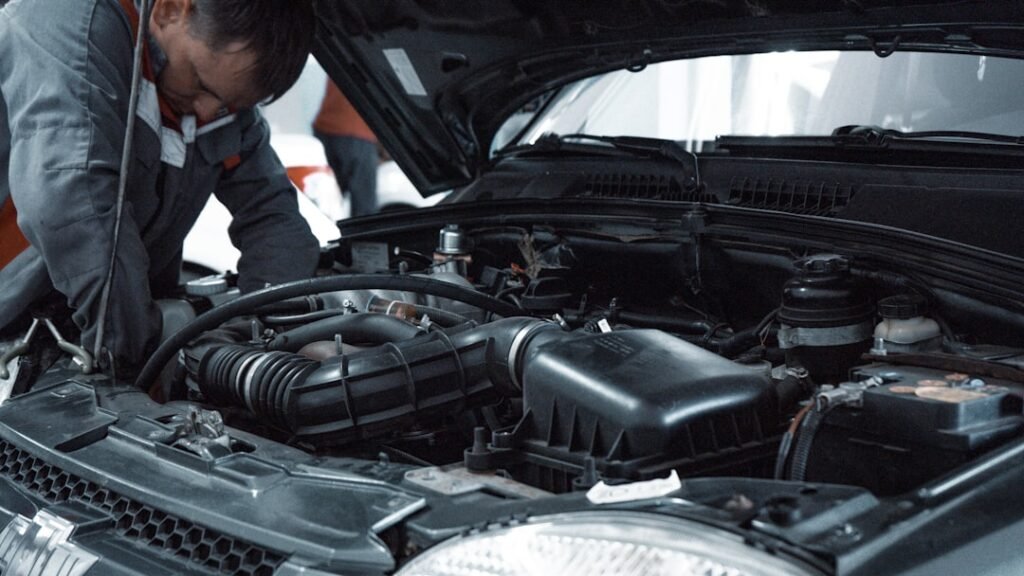
The RTA technical inspection is required before registration renewal for any vehicle more than three years old from first registration. It takes roughly ten to fifteen minutes for a light vehicle, assesses roadworthiness and emissions, and produces a pass certificate valid for a limited window — which is why you should complete the renewal promptly afterwards rather than letting it lapse.
Most failures are avoidable. Below is what examiners look at, and the faults that send cars back most often.
Which cars need testing
Any vehicle over three years old from the date of first registration. Newer cars are exempt, and for them the renewal is purely administrative. Once the three-year mark passes, the test becomes an annual requirement alongside each renewal.
Commercial and heavy vehicles follow different schedules, and some categories are tested more often than annually depending on usage.
Booking the test
Appointments are now effectively mandatory at most Dubai testing centres. Walking in is either refused or carries a premium where it is still permitted. Book through the RTA app or the testing centre’s own portal.
Weekday mornings are consistently quieter than evenings and weekends. If your renewal date is approaching during a busy period, book two weeks ahead rather than assuming you will find a slot.
Authorised centres operating in Dubai include Tasjeel, Shamil, Wasel and Mumayaz, along with RTA’s own facilities.
What the examiners check
The test covers the systems that determine whether a car is safe to be on the road.
Braking
Condition and efficiency of the braking system, tested for performance rather than inspected visually alone. Worn pads, uneven braking across axles and a soft pedal all show up here.
Steering and suspension
The steering wheel’s mechanical condition and its attachments, plus suspension integrity. Play in the steering and worn bushings are common findings on older cars.
Tyres and wheels
Tread depth, condition, and whether the wheels themselves are sound. Tyres are among the most frequent failure points and also among the easiest to check yourself beforehand.
Lighting
Headlamps, indicators, brake lights and the rest of the lighting system, tested for function and alignment. A single blown bulb can fail a car.
Visibility
Rear-view mirrors, windscreen wipers, and anything else affecting the driver’s view. Window tint is checked against the permitted limit.
Chassis and structure
The chassis frame and its attachments, checked for structural soundness and signs of damage. Previous accident repair that was done badly tends to surface at this stage.
Seats and restraints
Seats and seatbelts, including whether belts retract and latch properly.
Emissions
Exhaust emissions measured against the legal limit. An engine running rich, a failing catalytic converter or a neglected service history will push readings out of range.
Before any of that, the centre confirms the basics: plate number and chassis number matching the registration documents.
Why cars fail when they did not need to
A meaningful share of failures have nothing to do with mechanical condition.
- The car arrives dirty or with the plate obscured, so identification cannot be completed cleanly.
- Unapproved modifications — lighting changes, exhaust changes, suspension changes without RTA approval.
- Advertising stickers or decals applied without approval.
- Missing emergency equipment. The spare tyre or repair kit should be accessible.
- Window tint over the permitted level, which is a straightforward measurement and not negotiable.
- A blown bulb, which costs very little to fix and a whole appointment to discover.
Walking around the car the night before with the lights on, checking tyre tread, and removing stickers takes fifteen minutes and prevents most of these.
If the car fails
The inspection report lists the specific items that caused the failure. You have a limited period to carry out repairs and return for a re-test, and the re-test is charged at a reduced rate compared with the original.
One constraint catches people out: the re-test must be done at the same testing company that performed the original. You can usually use a different branch of that company, but not a different operator.
If you let the repair window lapse, you pay full price for a fresh test.
What it costs
The inspection fee for a light vehicle sits in the region of AED 150 to 170, with the Knowledge and Innovation fee added on top. A re-test after a failure is charged at a reduced rate. Walking in without an appointment, where permitted, carries a premium.
Heavy vehicles and specialised categories are priced higher. RTA fees change periodically, so confirm the current figure when booking. The full picture of what a renewal costs is set out in our pricing.
After the pass
The result enters the traffic system automatically. You do not need to carry a certificate to the renewal — the RTA sees it when you submit. But the pass has a validity window, and if you leave the renewal too long after testing, the certificate expires and the test has to be repeated.
Complete the renewal the same week. There is no benefit to waiting.
Skipping the trip entirely
The inspection is the part of the renewal that costs you a morning. We collect the car, take it through the test at an authorised centre, arrange the re-test if anything fails, and complete the renewal afterwards. If something needs repair we tell you what the report says before any work is agreed. The sequence is on how it works.
Frequently asked questions
How long does the inspection take?
Around ten to fifteen minutes of actual testing for a light vehicle. The time cost is in travelling and waiting, which is why booking a quieter slot matters.
Does my car need to be serviced before the test?
Not formally, but a car with a neglected service history is more likely to fail on emissions and brakes. If it is overdue a service, doing it first is usually cheaper than failing and re-testing.
Can I test my car in a different emirate?
Vehicle testing can generally be completed at an authorised centre elsewhere in the UAE, which helps if you are away from Dubai. The registration renewal itself still goes through the authority that issued the registration.
What tint level is allowed?
There is a permitted maximum and it is measured at the test. Anything darker fails. If your car came with aftermarket tint, check it before booking rather than discovering it at the centre.
How many times can I re-test?
You have a limited window and a limited number of attempts at the reduced re-test rate, at the same testing company. Beyond that you start again at full price.
Does a failed test affect my registration expiry?
Not directly, but it consumes time you may not have. If the registration expires while you are repairing the car, the grace period starts running and late charges follow it.
RTA inspection requirements, fees and validity periods are set by the authority and change from time to time. Confirm current requirements through official RTA channels.